
We ask a lot of our bodies. We want enough energy to handle our daily responsibilities and do the things we enjoy. Yet when we think about food, we often focus on what to cut out or how little we can eat.
There is another question worth asking: Am I giving my body what it needs to take care of me?
Your body has an ongoing ability to maintain and repair itself. Food supplies materials for that work. Protein helps build and maintain muscle, skin, and bone. Vitamin C helps your body make collagen, which plays a role in wound healing. These are everyday biological processes that depend on nourishment.
That gives us a practical reason to pay attention to what goes on our plates, beyond the number on the scale.
Think about protein as part of taking care of the body you live in. Eggs, fish, chicken, lean meat, beans, lentils, and dairy foods you tolerate can all contribute. Your needs depend on factors including your age, activity, and health. Including a source of protein when you put a meal together is a useful place to start.
Then give that protein some company. Broccoli, peppers, berries, and citrus provide vitamin C. A variety of vegetables, fruit, whole grains, beans, nuts, and seeds helps supply the other nutrients your body needs. Enough food and fluids matter, too. Healthy eating needs to provide energy as well as nutrients.
For women over 60 who want to lose weight and stay strong, I want that conversation to include what we are adding to our meals. The goal is to build a plate that does more for you.
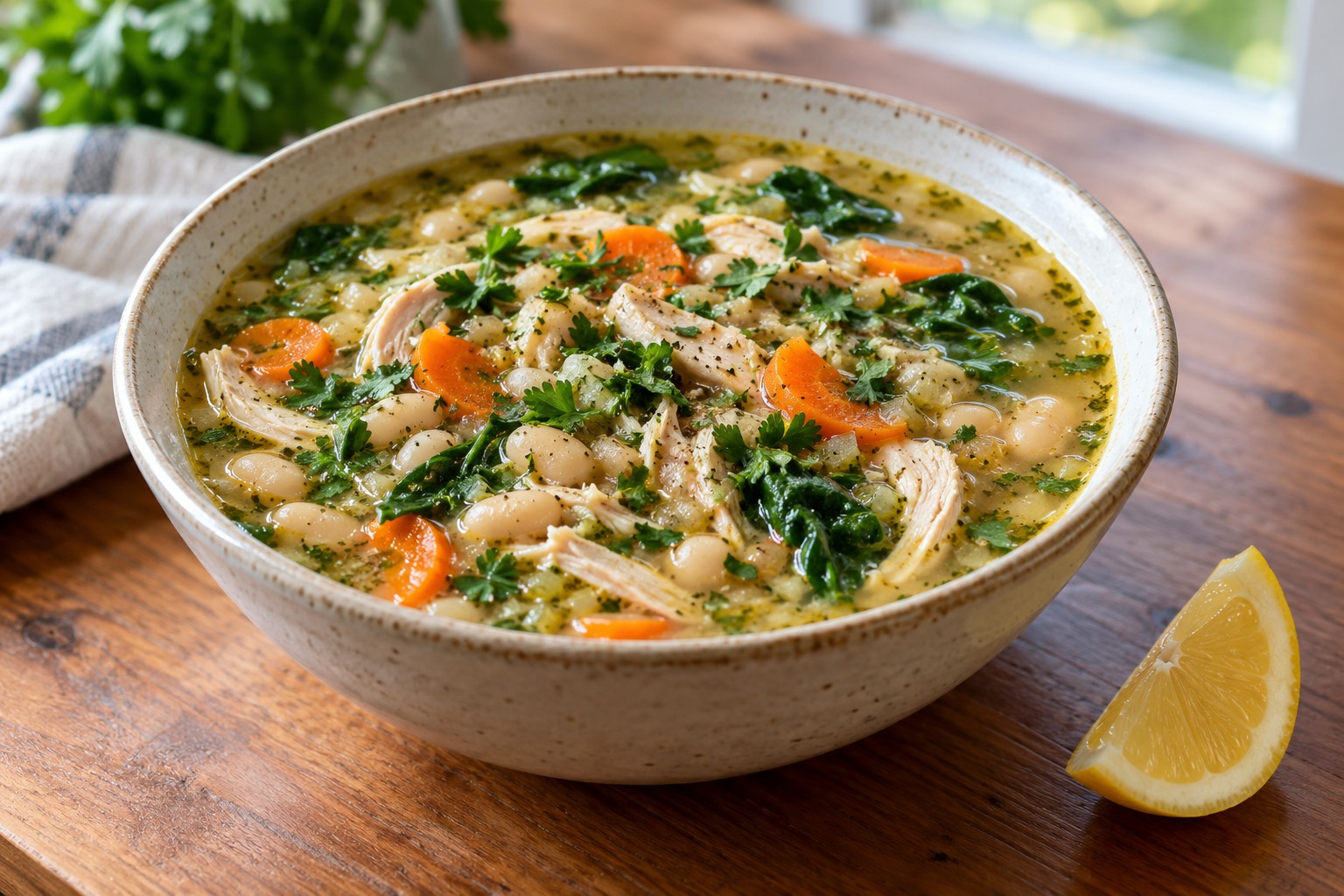
That could be eggs and egg whites scrambled with broccoli and squash. Salmon with a sweet potato and greens. Chicken and white bean soup with plenty of vegetables. Familiar ingredients, put together in ways you enjoy.
The overall pattern deserves attention as well. In a controlled NIH study, participants ate about 500 more calories per day while eating a diet of ultra processed foods compared with a minimally processed diet. They gained weight during the ultra processed phase and lost weight during the other phase. That study tells us something about eating patterns and appetite; it doesn’t establish that packaged food causes everyone's pain or fatigue.
Convenience can still have a place in your kitchen. Frozen vegetables, canned beans, and canned fish can make a nourishing meal easier to pull together. You don’t have to cook every ingredient from scratch to take care of yourself.
There is also a difference between supporting healing and promising a cure. Someone may feel much better after changing their food and daily habits. Their experience matters, but it cannot tell us exactly what caused the improvement or guarantee the same result for someone else.
With conditions such as rheumatoid arthritis, treatment can slow or prevent joint damage. Nutrition, appropriate movement, and rest can support care alongside medication. What you eat can support your recovery while you continue the treatment your body needs.
Start with something you can repeat. Add protein to a breakfast that usually has very little. Keep vegetables you enjoy ready to use. Cook extra chicken at dinner so tomorrow's lunch is easier. Notice your energy, appetite, and digestion, and bring persistent pain or exhaustion to your health care provider rather than assuming it is just age or something you ate.
Cooking for one can feel like a lot of work for one meal. Something quick may fill a gap without giving you much protein, vegetables, or enough substance to stay satisfied. Make two portions when you cook and freeze one for another day. A meal you’ve already made can make taking care of yourself easier.
After more than five decades of cooking, I know that food has to taste good and fit into everyday life for people to keep making it.
You can begin with your next meal. Give it some protein, some color, and enough substance to satisfy you.
Feed your strength. Give your body something to work with.
If you cook just for yourself, what’s your biggest challenge: deciding what to make, buying ingredients you’ll use up, or finding the motivation to cook?